

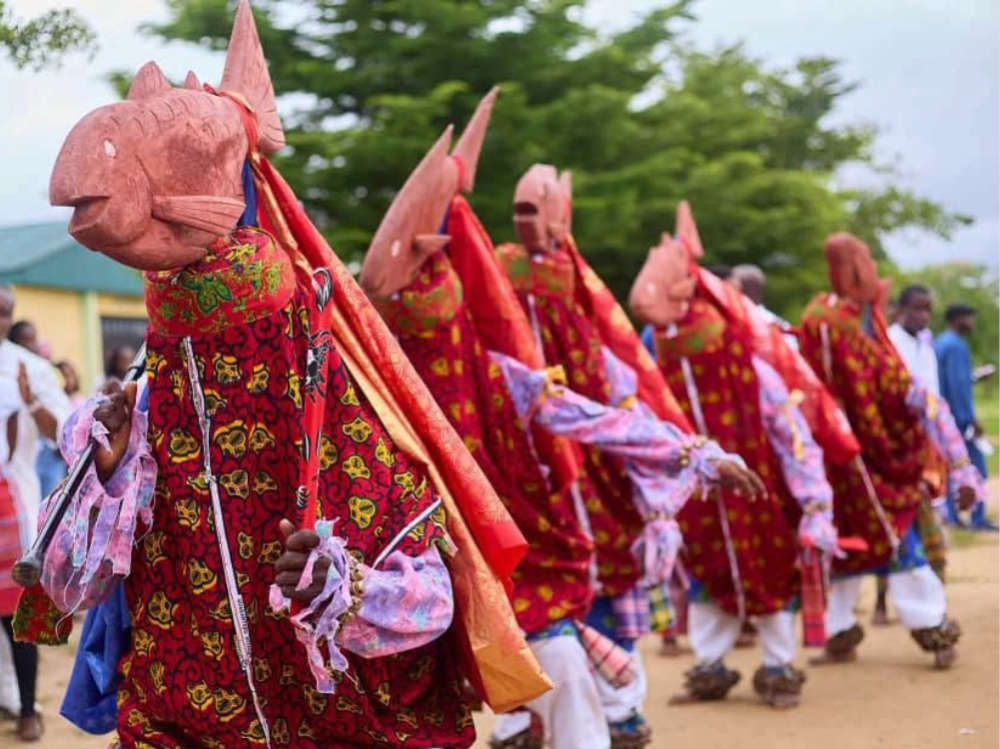
World Tourism Day is marked every year on September 27 to celebrate the importance of tourism in connecting cultures, creating livelihoods and driving economic and social development. The observance highlights tourism’s contribution to communities and encourages countries to develop the sector in ways that are inclusive and sustainable.
For World Tourism Day 2026, the theme is “Digital Agenda and Artificial Intelligence to Redesign Tourism,” placing the spotlight on how technology can transform the way destinations are discovered, promoted and experienced, while ensuring local communities and tourism workers benefit from the opportunities created.
The theme offers an important lens through which to examine the largely untapped tourism potential of Bonny Island in Rivers State, where centuries of history, traditional institutions, festivals, maritime heritage, cuisine and cultural practices could provide the foundation for a stronger local tourism economy.
Co-founder and Managing Director of Goge Africa, Ambassador Nneka Isaac-Moses, speaking on Bonny FM’s Let's Talk, described Bonny as “Nigeria’s best kept secret” when it comes to culture and tourism, arguing that the kingdom already possesses many of the assets needed to attract visitors and generate economic opportunities.
From culture to economic opportunity
Moses said the challenge is not a lack of cultural resources, but how effectively those resources are presented, promoted and converted into sustainable economic opportunities for residents.
She pointed to Bonny’s festivals, particularly the annual Fongu Mini displays, as examples of cultural activities that could attract tourists if properly publicised and developed. According to her, promotion should begin well before the festival, giving potential visitors enough time to plan their trips and creating awareness beyond Bonny itself.
She also stressed the importance of the diaspora and the diplomatic community, saying visitors who experience Bonny can become ambassadors for the kingdom by sharing their experiences when they return to their countries.
Putting money directly in the hands of residents
One of the biggest opportunities, according to the tourism expert, is the ability of tourism to create income for ordinary residents.
She explained that visitors coming for cultural festivals would need accommodation, food, transportation, entertainment and other services, creating opportunities for residents to earn directly from tourism. Local dishes such as fisherman soup and other traditional delicacies could also become part of the visitor experience.
Moses cited examples of cultural festivals where residents along festival routes provide food, drinks and other services to visitors, turning what might ordinarily be a community celebration into a wider economic activity.
Publicity, safety and comfort matter
For Bonny to attract more visitors, Moses said cultural events must be supported by deliberate investment in publicity, safety and visitor comfort.
She made a strong case for documentation, describing it as essential to preserving culture and heritage, recommending professional documentaries and other promotional materials that can show audiences what Bonny has to offer before they decide to visit. She also identified basic facilities such as mobile toilets and adequate safety arrangements as important elements of a visitor-friendly destination.
According to her, even limited funding for cultural events can have greater long-term value when pooled towards common objectives such as publicity and documentation rather than being fragmented into small expenditures.
She noted that photographs and videos from past cultural events can become valuable historical records decades later, while professionally produced content can also be used to promote future editions of festivals.
For Bonny, this means that every festival could serve two purposes: preserving the kingdom’s cultural memory and marketing its tourism potential to the outside world.
Training Bonny’s people to own the tourism economy
Another key part of the conversation was local participation. Moses said she had previously trained Bonny youths in tourism, arguing that the people who own the cultural assets should be equipped with the skills to manage and monetise them.
She also encouraged collaboration with specialists in areas where local stakeholders may not have the necessary expertise, noting that partnerships can help communities develop stronger tourism products and reach wider markets.
For Bonny Island, the ingredients are already visible — its history, people, festivals, food, maritime heritage and traditional institutions. What remains is the deliberate work of documenting, promoting, developing and connecting those assets to visitors and the wider economy.
Bonny’s experience illustrates a broader question at the heart of the tourism conversation: how can communities move from simply preserving their culture to using it to create jobs, businesses and sustainable economic opportunities?
 Nigeria at 66: Citizens Reflect on Growth Challenges
 World Maritime Day: Stakeholder Calls For Practical Support For Seafarers
 Development expert warns anti-migrant crackdown in South Africa could trigger continental crisis
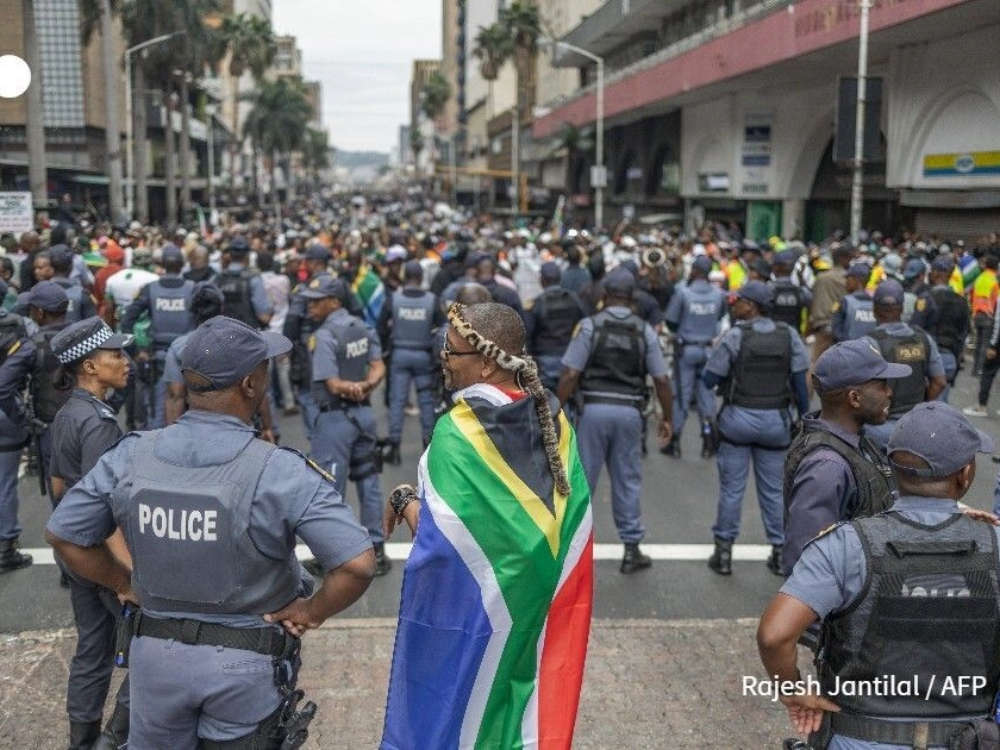 'We're Tired of Carrying Africa': South African Entrepreneur Defends Anti-Illegal Immigration Campaign
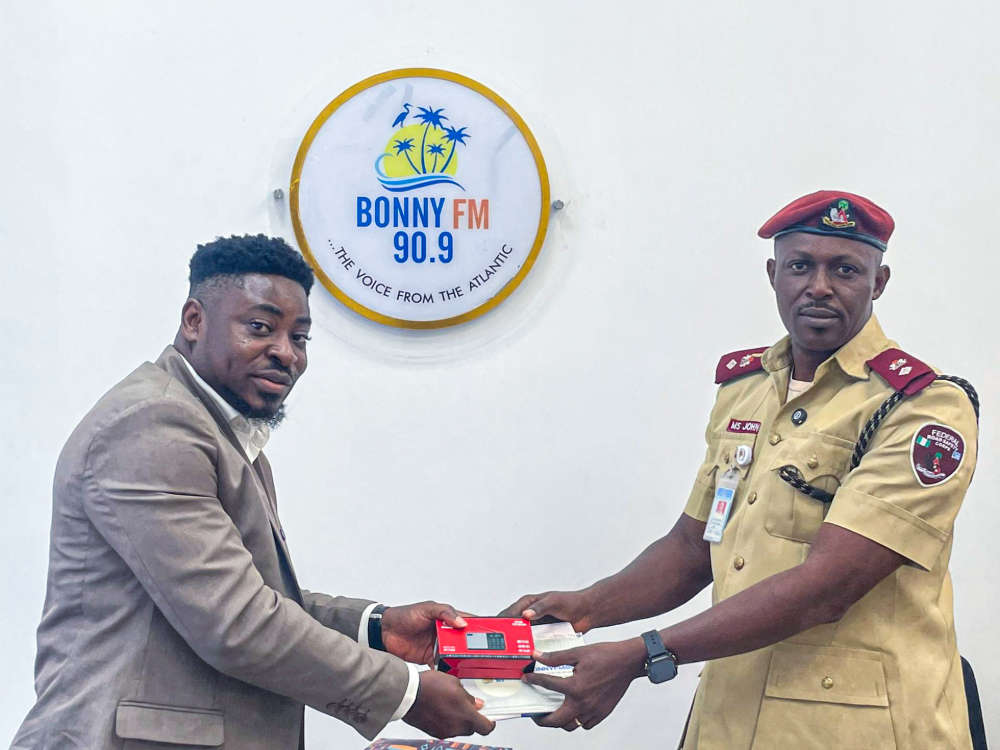 FRSC Seeks Partnership with Bonny FM to Boost Safety Awareness Amid Rising Road Traffic on Bonny Island